


.jpg)
.png)




Multi-Building Apartment Complexes Need Coordinated Roof Maintenance
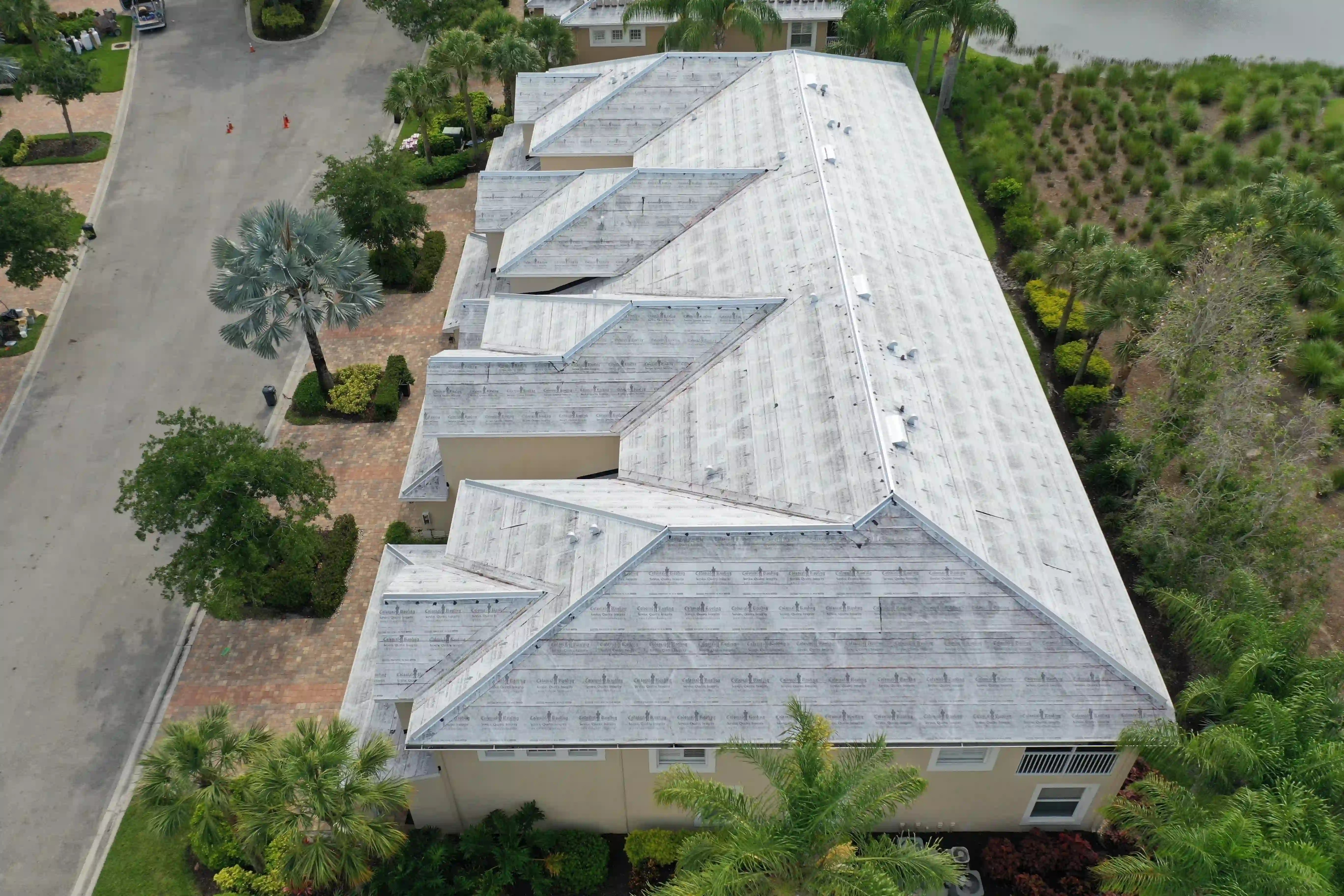
Property managers at apartment communities oversee multiple buildings simultaneously. Each building carries different roof conditions based on age, exposure, and prior maintenance. A single emergency repair approach costs more over time than planned maintenance programs.
Coordinated maintenance prevents small problems from becoming large emergencies. Water intrusion detected early protects interior finishes and resident belongings. Planned repairs allow property managers to budget accurately through reserve planning.
Roof work at occupied buildings requires different logistics than vacant properties. Residents use parking areas, walkways, and building access points throughout the day. Equipment staging must avoid blocking these areas during peak hours. We work with property management to schedule around resident needs while maintaining project momentum.
Multi-family properties benefit from lifecycle planning for capital improvements. Predictable roof replacement timelines help property managers forecast reserve requirements. Board presentations require accurate lifespan projections and cost estimates.
Community Amenity Buildings Require Commercial Roofing Standards
Clubhouses and fitness centers at Preserve at Zephyr Ridge serve all residents. These buildings see higher foot traffic than individual apartment units. Outdoor kitchens and screened lanai areas create unique roof penetration challenges.
Commercial building standards differ from residential construction requirements. Pool buildings face humidity exposure that accelerates material degradation. Fitness center roofs must account for HVAC equipment and ventilation systems.
Amenity buildings cannot close for extended periods during roof work. Residents expect continuous access to community features. Phased approaches allow portions of buildings to remain operational during construction.
Keeping amenities functional during maintenance protects property value and resident satisfaction. Closed pools or fitness centers during peak season create resident complaints. Coordinated scheduling minimizes disruption while completing necessary work.

State Road 54 and US-301 Access Makes Equipment Transport Straightforward
State Road 54 runs through Zephyrhills as a major commercial corridor. The road connects to Tampa Bay communities through direct east-west access. Commercial traffic uses State Road 54 daily for equipment and material transport.
US Route 301 provides north-south access through Zephyrhills. Also known as Gall Boulevard locally, this route handles large vehicle traffic. Both roadways support the equipment staging required for multi-building projects.
Property access matters for commercial roofing projects. Multiple building entrances allow flexible material delivery schedules. We coordinate with property management on staging areas that avoid resident parking zones.
Major roadways connecting Zephyrhills to the Tampa Bay region make logistics planning simpler. Materials ship from regional suppliers without extended delivery times. Equipment moves between our Largo office and Zephyrhills properties efficiently.
Scheduling Work Around Resident Life Protects Property Value
Apartment communities never close. Residents come and go at all hours. Children play near buildings during afternoon hours. Evening quiet hours protect resident comfort after work days.
Work timing considers these patterns. Early morning starts may disturb residents trying to sleep. Late afternoon work creates noise during dinner preparation. We balance project needs with resident schedules through property management coordination.
Resident communication reduces concerns about ongoing work. Property managers distribute notices about upcoming projects and expected timelines. Clear communication sets appropriate expectations about noise, parking changes, and building access.
Phased approaches allow buildings to remain fully occupied during roof work. One section completes before moving to the next area. Residents experience minimal disruption to their daily routines. Occupied buildings require extra attention to safety protocols and debris management.
Protecting resident experience maintains occupancy rates and property reputation. Satisfied residents renew leases and recommend the property to others. Property value depends partly on operational excellence during maintenance projects.
Reaching Preserve at Zephyr Ridge from Our Largo Office
Our Largo office serves Zephyrhills and surrounding Pasco County communities. The office sits at 6679 Treeland Ave in Largo. Preserve at Zephyr Ridge sits at 35940 Inspiration Drive in Zephyrhills.
The route between locations covers approximately 51 miles. Travel time runs about one hour via US Route 301. The halfway point passes through Tampa between Pinellas and Pasco counties.
Our service area extends from the Tampa Bay region through Zephyrhills. This coverage includes multi-family properties throughout Pasco County. Equipment and crews travel from our Largo location to project sites.
Projects requiring multiple visits benefit from this proximity. Initial inspections, progress checks, and final walkthroughs occur without extended travel delays. Property managers receive responsive service within their operating area.
TPO and Metal Roof Systems Suit Florida Multi-Family Properties
TPO membranes appear frequently on low-slope apartment building roofs. The white reflective surface reduces cooling costs in Florida's climate. Seam welding creates watertight installations that resist storm-driven rain.
Metal roofing systems serve amenity buildings and covered structures. Standing seam metal roofs handle the high heat and humidity Florida properties face. Metal withstands hurricane-force winds when properly installed and fastened.
Florida climate demands materials engineered for extreme conditions. Summer heat reaches temperatures that stress inferior roof systems. Afternoon thunderstorms test drainage and waterproofing daily during rainy season.
Storm resistance matters for multi-family property insurance requirements. Insurance carriers evaluate roof condition, age, and material type when setting premiums. Well-maintained roofs with documented service histories support better insurance terms.
Roof system selection affects long-term maintenance costs and reserve planning. Initial installation cost represents only one factor in lifecycle analysis. Maintenance frequency, expected lifespan, and replacement cost all factor into total ownership expense. Property managers need accurate projections for board presentations and reserve studies.
Frequently Asked Questions
Do you service multi-family apartment complexes in Zephyrhills?
Yes, we serve multi-family properties throughout Pasco County including Zephyrhills. Our Largo office maintains the equipment and crews needed for apartment community projects. We work with property managers on buildings of various sizes and configurations.
How do you minimize disruption to residents during roof work?
We coordinate schedules directly with property management before starting any project. Work occurs during hours that reduce noise impact on residents. Phased approaches keep buildings operational throughout the project. Property managers handle resident communication through their established channels.
Can you inspect multiple buildings in one visit?
Property-wide assessments identify maintenance priorities across all buildings. This approach saves property management time and creates comprehensive documentation. A single point of contact simplifies communication about findings and recommendations across the entire property.
What's the travel time from your Largo office to Zephyrhills?
The drive from our Largo office to Zephyrhills takes approximately one hour. The route covers 51 miles via US Route 301 through Tampa. Zephyrhills falls within our regular service area from the Largo office.
What roof types work best for Florida apartment complexes?
TPO membranes suit low-slope apartment building roofs common in multi-family construction. Metal systems work well for amenity buildings and covered structures. The best choice depends on existing roof type, building use, and budget considerations. Property inspections determine specific recommendations for each building.
How do you coordinate work across large apartment communities?
Phased approaches address buildings by priority based on condition and need. The property manager serves as our single communication point for the entire project. We minimize impact on parking areas, building access, and resident routines. Timeline planning aligns with property budget cycles and reserve fund availability.
.png)