


.jpg)
.png)





Why Commercial Building Owners Are Considering Retrofit Systems
 One of the largest concerns during commercial roofing projects isn’t just the roof itself. It’s the impact the project has on the operation of the building while work is taking place.
Business interruptions, noise, scheduling complications, tenant disruption, unexpected costs, and extended timelines all create pressure for property owners and managers trying to protect both operations and budgets.
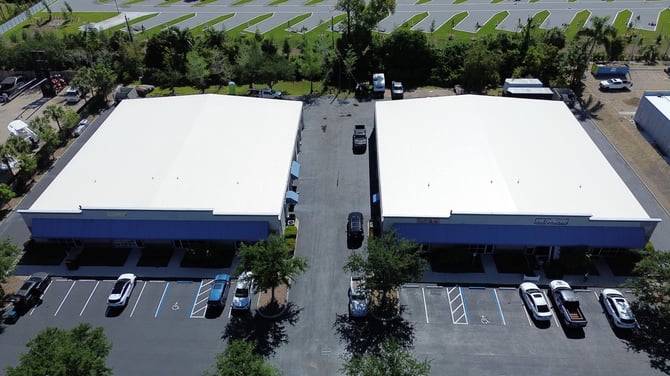
By installing a new roofing system over an existing qualifying roof structure, retrofit projects often allow for:
- Reduced operational disruption
- Faster project timelines
- Lower demolition-related risk
- Fewer unexpected findings
- More predictable budgeting
- Simplified coordination for occupied buildings
For commercial properties that need to remain functional during construction, that predictability matters.
The Financial Impact of “Unknowns” on Roofing Projects
Damaged decking, moisture intrusion, structural deterioration, and other unforeseen issues can significantly impact timelines and budgets after a project is already underway.
While experienced commercial roofing contractors plan carefully to minimize surprises, retrofit systems can help owners and property managers better control replacement costs.
Insurance Requirements Are Driving Roofing Decisions
Retrofit systems are becoming more common in insurance-driven roofing compliance. Commercial property owners are increasingly facing pressure from insurance carriers regarding aging roofing systems, remaining roof life, and overall building risk exposure.
In some situations, owners need to act quickly to maintain coverage eligibility or satisfy carrier requirements. Retrofit systems can sometimes provide a faster, more efficient path toward compliance while minimizing operational interruptions and maintaining continuity for tenants and occupants.
In the right situation, retrofit roofing systems can help create a more predictable, less disruptive path toward protecting commercial assets over the long term.

.png)